Marketplace Research · Country notes
Countries and categories worth watching in affiliate commerce
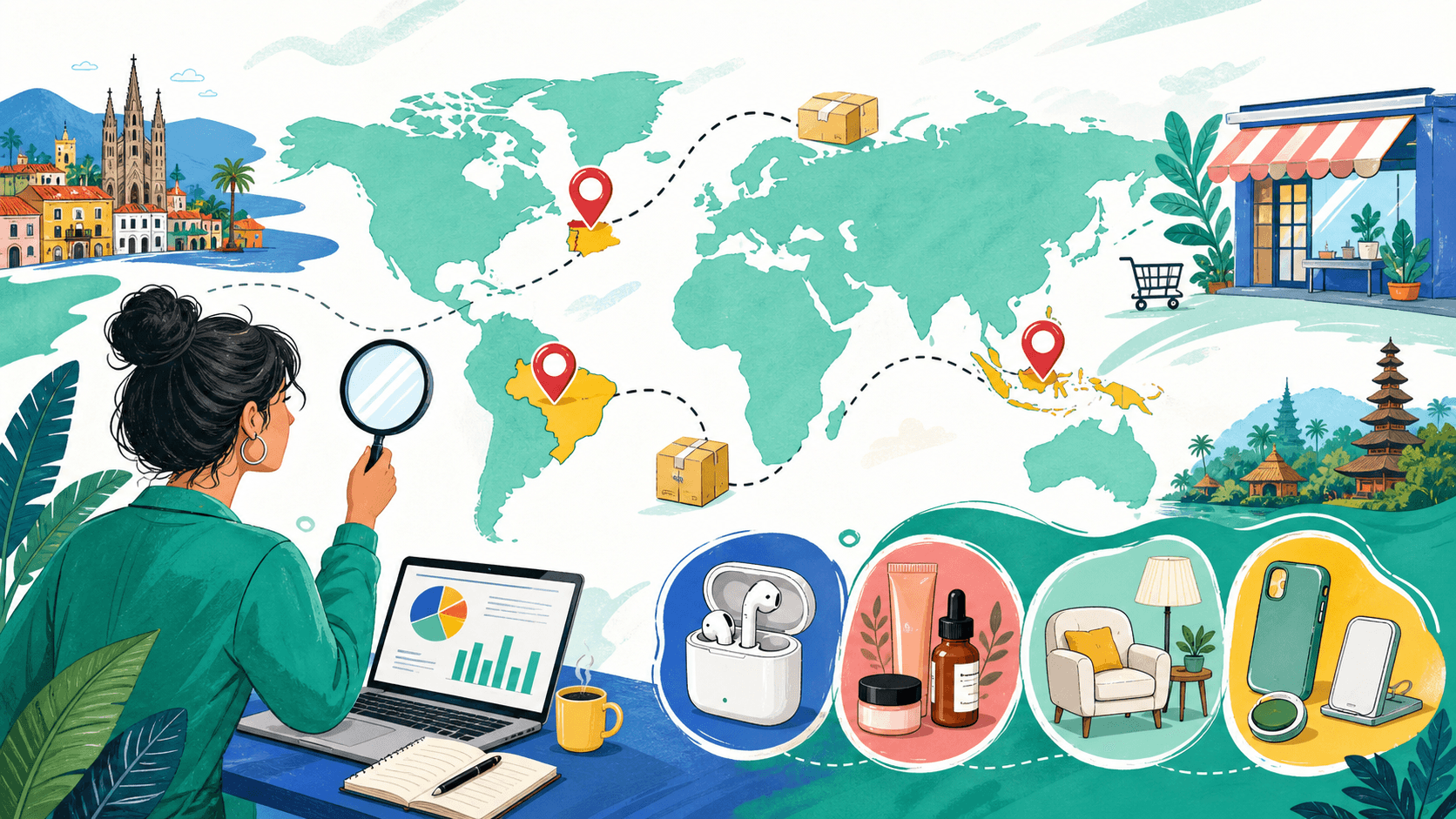
Marketplace shopping behavior changes by country. Indonesia, Brazil, Spain, and Southeast Asian markets should not be treated as the same page with different language.
By AI Comparor Editorial Desk · ID, BR, ES · Updated August 5, 2026 · 9 min read
Key takeaways
- Indonesia is a scale market where Shopee and TikTok Shop both matter.
- Spain content should emphasize marketplace comparison, authenticity, shipping, and warranty details.
- Brazil needs trust, payment, delivery, and merchant reliability context.
- Electronics, beauty, accessories, home goods, and flash-sale products need different article formats.
Why country pages need different assumptions
A common mistake in affiliate content is to translate a page without changing the buying context. A shopper in Spain comparing cross-border marketplace offers is not asking exactly the same question as a shopper in Indonesia watching short-form product videos, or a shopper in Brazil checking delivery reliability and payment expectations.
The stronger structure is a shared brand identity with localized editorial judgment. AI Comparor can keep one root domain, one disclosure standard, and one comparison method, while each country page adjusts merchant mix, product categories, language, and buying concerns.
Indonesia and Southeast Asia: platform mix matters
Recent marketplace reporting shows Southeast Asia is increasingly shaped by Shopee and TikTok Shop, with Lazada still relevant in more brand-sensitive or higher-ticket categories. For Indonesia in particular, marketplace discovery is not only search-driven. Social commerce, creator recommendations, in-app product cards, live commerce, and flash promotions all influence what shoppers notice.
That means an Indonesia guide should not only say which item is cheaper. It should tell readers whether the product fits a creator-led impulse purchase, a repeat everyday purchase, or a higher-consideration comparison. Beauty, fashion, accessories, home gadgets, small electronics, and household products can work well, but they need different proof points.
Spain: comparison, authenticity, and cross-border clarity
Spain pages should lean into comparison and clarity. Cross-border marketplaces and deal platforms can create attractive prices, but readers still need to understand shipping, warranty, seller identity, and whether a product version is local, global, or imported.
This is especially important for electronics, smart-home devices, phone accessories, earbuds, vacuums, and small appliances. A page that compares only price may miss the user's real concern: service, delivery time, compatibility, and whether the merchant listing is trustworthy.
Brazil: consistency beats hype
Brazil is a large and mature ecommerce market. The editorial angle should avoid sounding like a generic flash-sale page. Readers often need practical information: whether the merchant is reliable, whether the price is meaningfully different from other options, what shipping or installment context matters, and whether the product solves a real use case.
The best categories to test are those where the comparison is understandable: affordable electronics, accessories, home organization, beauty and personal care, student tech, and seasonal deal guides. For high-ticket items, content should slow down and add more checks rather than pushing a fast click.
What Shopee community discussions reveal
Marketplace shopper discussions are useful because they show real buying questions. One phone-buying scenario may not be mainly about price; it may be about the difference between official local stores, global stores, local shipping, warranty, and service-center coverage. Flash-sale discussions also show how buyers prepare for limited-time deals with payment method readiness, timing, and stock pressure.
These details are exactly what a guide can turn into useful content. A good article might be: how to compare official versus global marketplace stores, how to prepare for a flash sale without ignoring return risk, or how to read warranty details before buying a phone online.
Category recommendations
Electronics and appliances need comparison tables, warranty notes, and merchant checks. Beauty and personal care need creator proof, ingredient caution, repeat-purchase logic, and authenticity checks. Accessories and home goods can be more deal-led, but still need photos, size, compatibility, and return information. Student laptops, earbuds, robot vacuums, and gaming accessories are good guide topics because readers naturally compare features before buying.
The important point is not to claim that one category always wins. The site should explain why a category may perform in a country, what kind of shopper intent it matches, and what risks the reader should check before leaving for the merchant.
Sources and review basis
- Community discussions from marketplace sellers, shoppers, and affiliate publishers.
- 2026 SEA marketplace reporting on Shopee, TikTok Shop, and Lazada platform roles.
- Product documentation describing marketplace affiliate links and external merchant flow.