Chelsea boots are a type of ankle boot—specifically the pull-on style with elastic side panels and a clean, unbroken shaft. Zip ankle boots and lace-ups sit in the same height range, but they open differently and often change how the boot sits on your foot and under your clothes. If you are choosing a first (or second) everyday pair for jeans, trousers, and midi skirts, the real question is not which name sounds trendier—it is which construction matches how you dress and walk.
Picture Tuesday jeans, a midi for drinks, and a wet sidewalk between them. The pages that follow map how Chelsea boots differ from zip or lace ankle boots—on the foot, under clothes, and in the order you might buy—without crowning a fake universal winner.
Disclosure: This article may contain affiliate links. If you buy through them, we may earn a commission at no extra cost to you. We only recommend products that fit our editorial criteria.
Chelsea vs ankle boots: the real difference
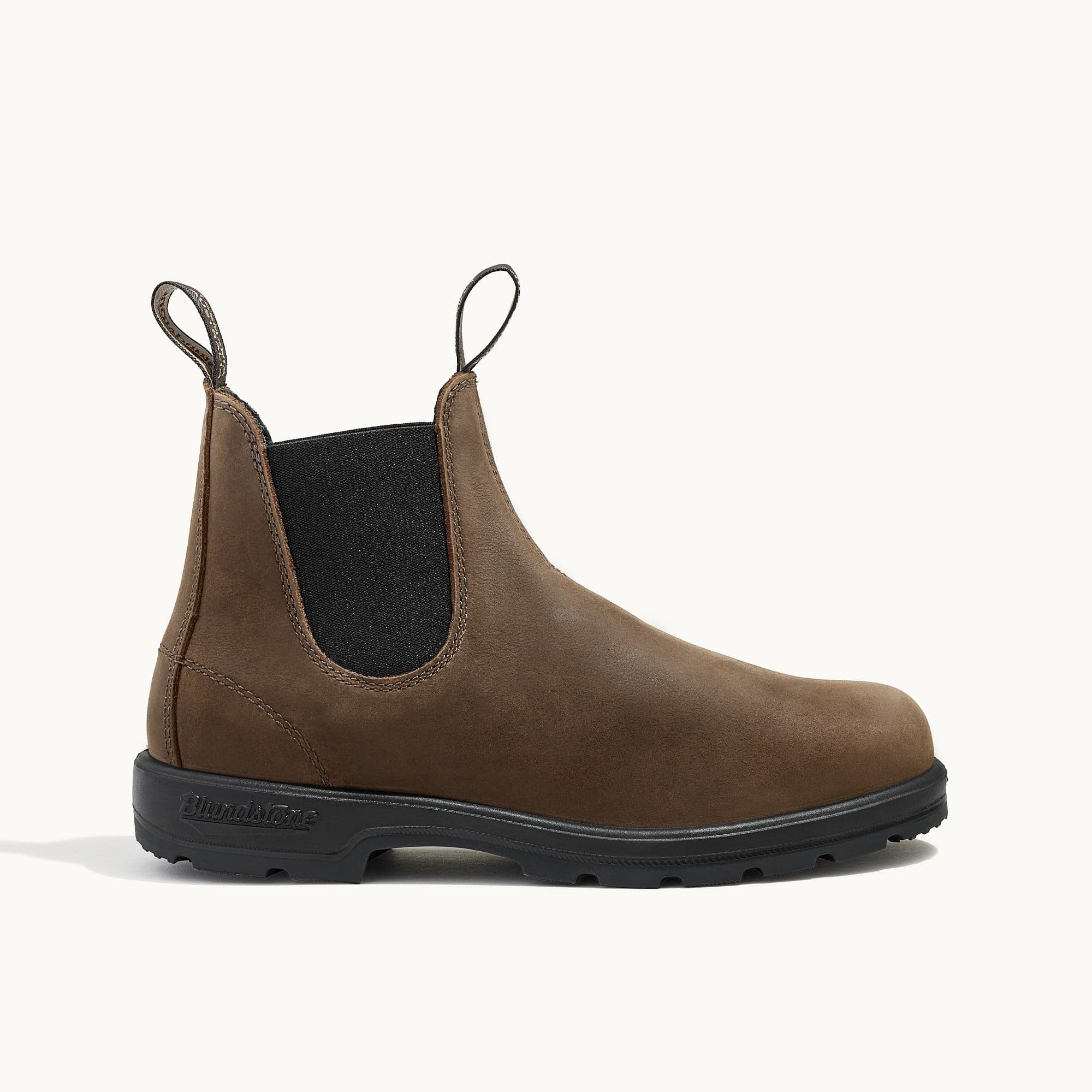
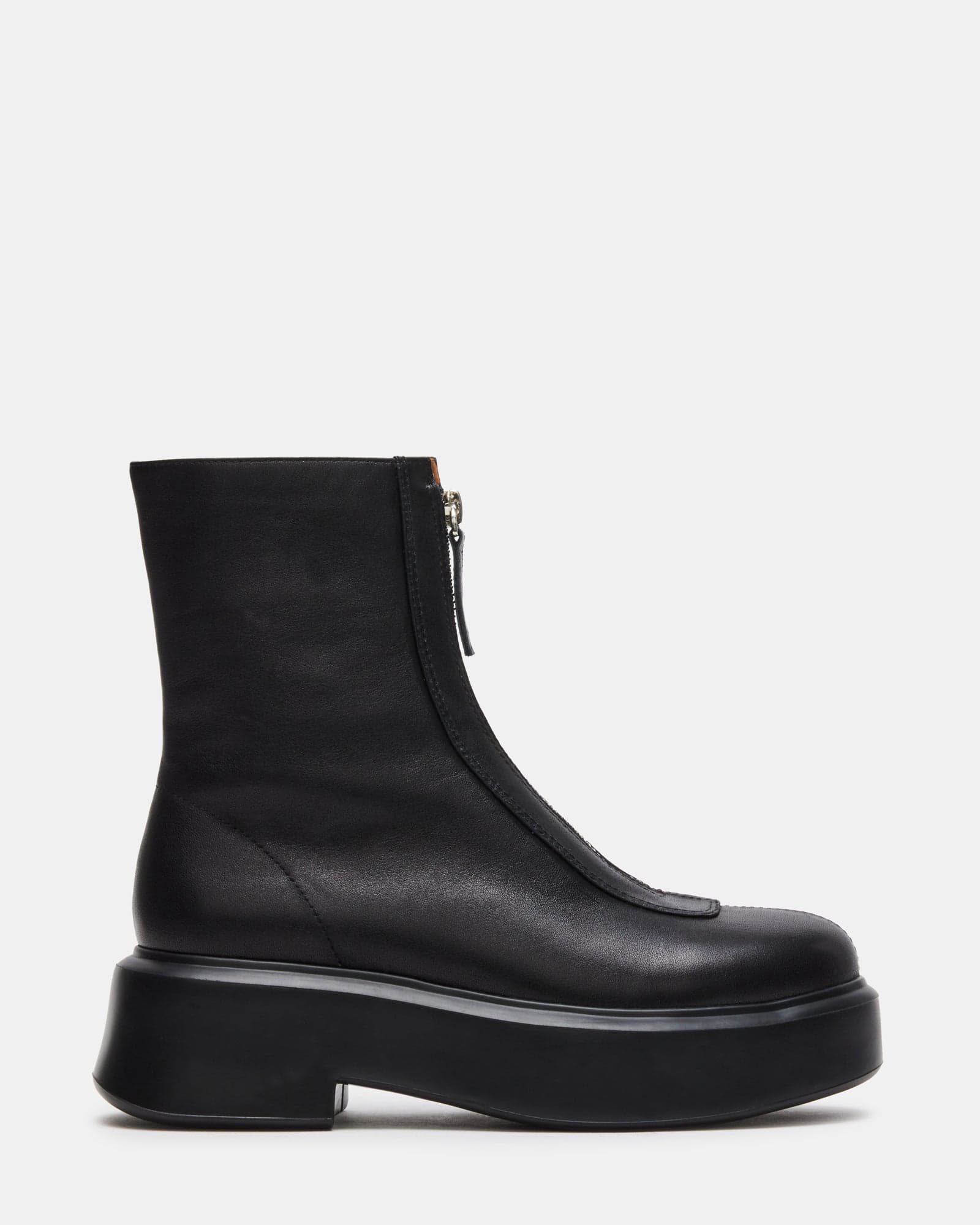
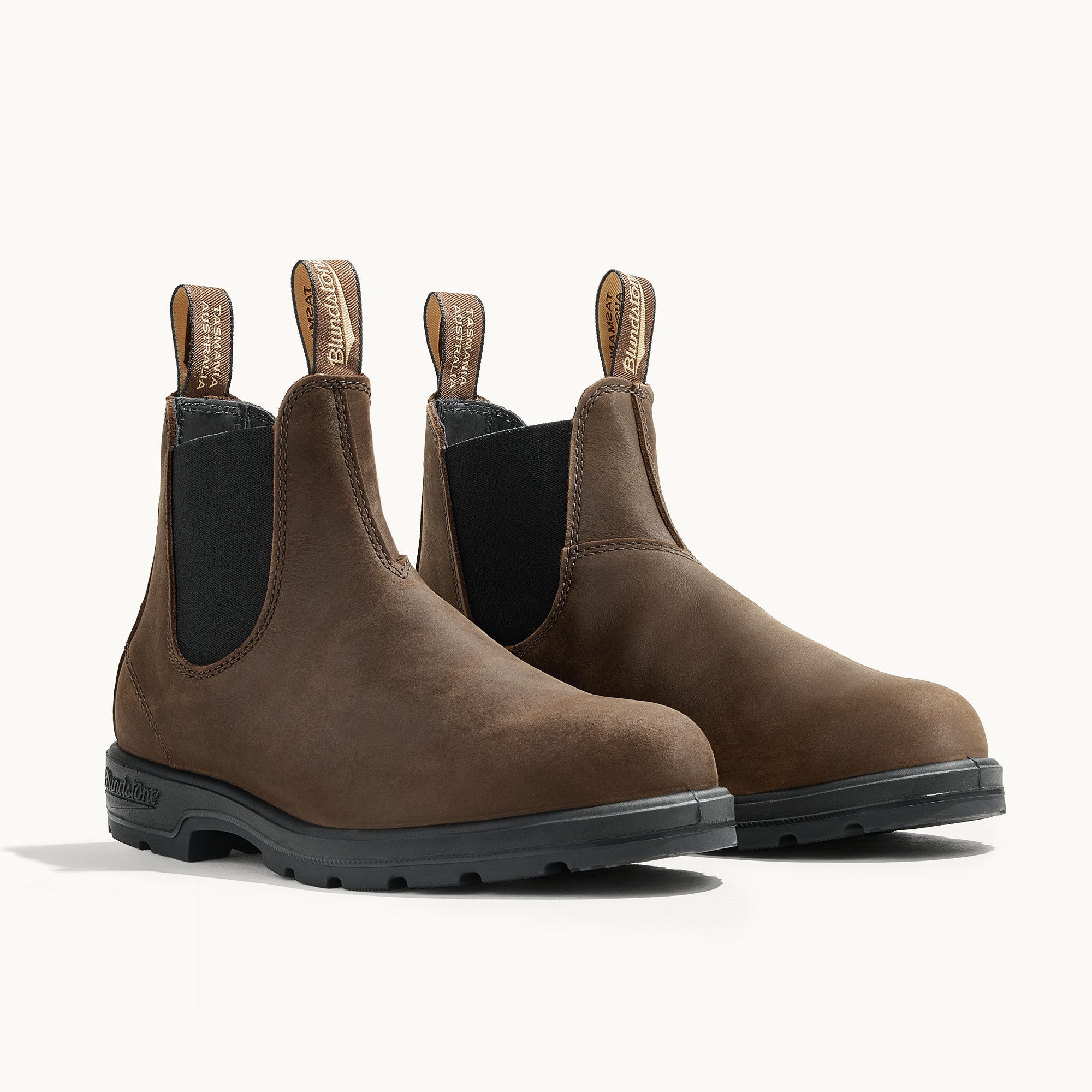
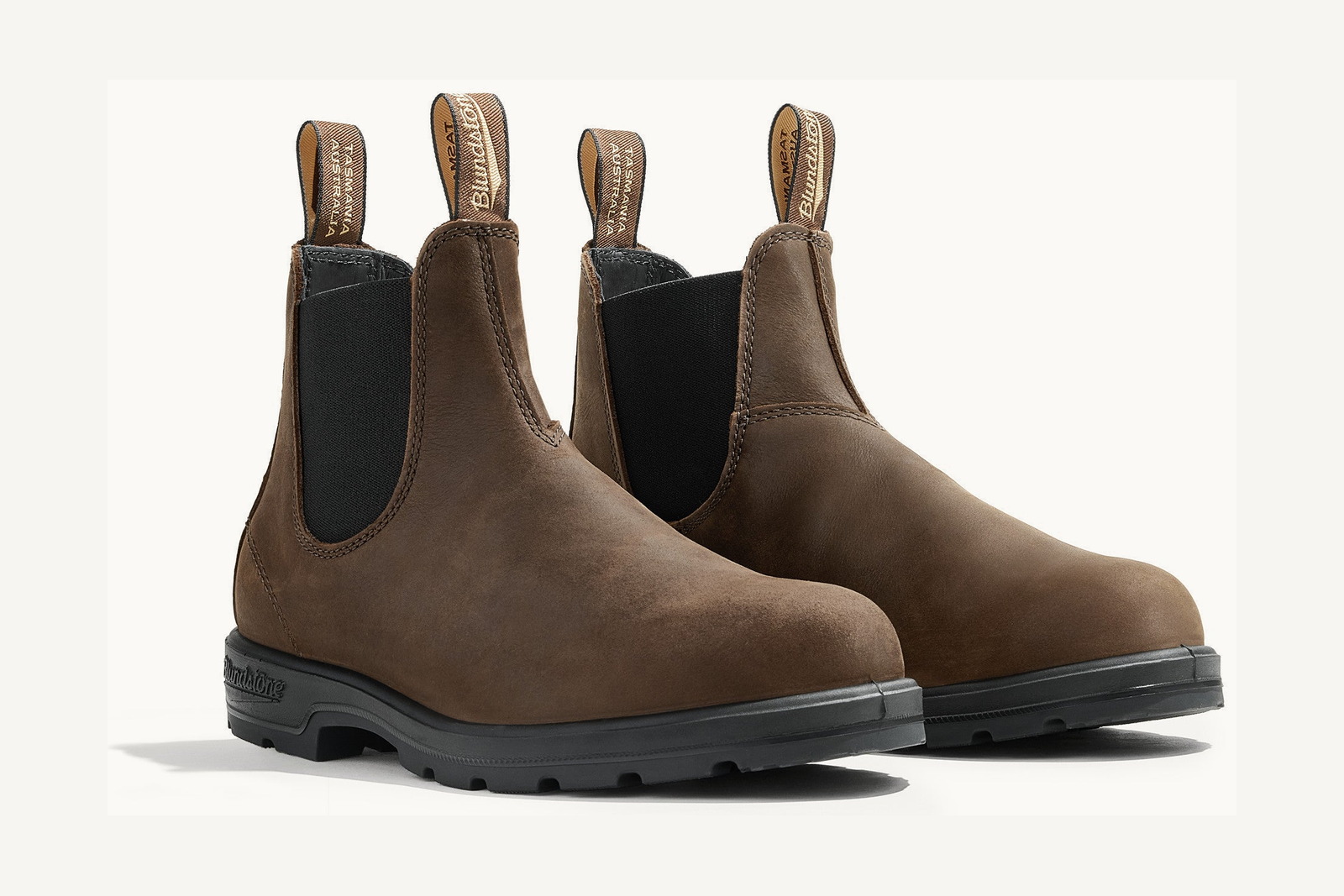
Ankle boots is the category: boots that stop around the ankle bone. Chelsea boots are one silhouette inside that category. The defining traits of a Chelsea are elastic gores on the sides, a pull-on entry (no zipper or laces required), and a relatively sleek shaft that reads continuous from toe to top line.
Other ankle boots you will see constantly in U.S. department stores and footwear shops include:
- Zip ankle boots — side or back zipper; shaft fit is easier to adjust
- Lace-up ankle boots — front laces; more casual or utilitarian depending on sole and hardware
- Block-heel ankle boots — mid heel with a stable platform; often zip-entry and desk-to-dinner friendly
- Western-inspired or sock-style boots — statement shapes within the same height band
So when you search “ankle boots vs Chelsea boots,” you are really comparing a broad category to a specific construction. All Chelsea boots are ankle boots; not every ankle boot is a Chelsea.
| Chelsea boots | Zip / lace ankle boots | |
|---|---|---|
| Entry | Pull-on via elastic sides | Zipper or laces |
| Shaft look | Clean, minimal hardware | Can include zip tape, eyelets, buckles |
| Fit adjustability | Relies on elastic give | Easier to open wider or lace tighter |
| Typical vibe | Streamlined smart-casual | From weekend-casual to dressier heeled looks |
Fit and feel on your foot
Fit is where Chelsea boots and zip or lace ankle boots diverge most in daily wear.
Chelsea boots hug through the elastic panels. That creates a neat line, but the opening has a fixed “give.” If you have a high instep or a wider midfoot, some Chelseas can feel snug going on—even when the length is correct. A well-cut pair should slide on with firm resistance, then settle without pinching once worn. Very stiff new leather may soften; extremely tight elastic that bites at the top line usually does not improve enough to ignore.
Zip ankle boots open fully, which helps with wider feet, thicker socks, and high insteps. You can seat your heel, then close the shaft. Lace-ups offer the most micro-adjustment across the vamp, though they take longer to put on and can look bulkier under slim pants.
Wide feet and high instep
- Try on later in the day—feet are slightly larger by afternoon.
- Look for Chelseas labeled with a roomier last, or choose a zip style if every pull-on fights your instep.
- A modest rounded or almond toe is often kinder for all-day wear than an aggressively pointed last—style preference aside.
Wide calves and petite shafts
Elastic gores do not adjust like a zipper. If your calf is wide, check the shaft opening and whether a side-zip ankle boot simply gives more room through the top line. Petite shafts should sit below the widest part of the calf—avoid a tall tube that cuts mid-muscle and leaves a tight band. When a Chelsea fights your calf on every try-on, a zip ankle boot is usually the kinder everyday answer, not a “tougher” pull-on.
Heel height and all-day comfort
Chelsea boots for women often arrive flat or with a low stacked heel; heeled Chelseas exist but are less common than heeled zip ankle boots. A block heel around one to two inches is a frequent sweet spot for commuting without tipping into evening-only territory. These are general comfort patterns, not medical advice—always judge by your own walk and return policy.
What each style does for your wardrobe
Under jeans
Straight, slim, and barrel-leg jeans are natural partners for Chelsea boots: the clean shaft does not fight denim hardware, and you can wear the jean over the boot or lightly stacked. Black and cognac leather Chelseas are the workhorses here.
Zip or lace ankle boots shine when you want height under a crop or need a chunkier sole to balance wide-leg denim. A small block heel can keep wide pants from dragging visually.
Over or under jeans?
Skinny or slim jeans can tuck into the shaft; straight and cropped lengths usually look cleaner worn over the boot so the ankle line shows. Midi hems want a clean Chelsea silhouette—not a chunky combat shaft fighting the skirt break. Treat “under jeans” as one option among lengths, not the only way Chelsea boots work with denim.
With skirts and dresses
A midi skirt or dress with Chelsea boots reads modern and slightly undone—especially in smooth black leather. Heeled zip ankle boots push the same outfits toward polished or evening-ready, particularly with a pointed toe.
With trousers
Cropped trousers and a sleek Chelsea remain a smart-casual classic. Full-length trousers prefer a slim shaft (Chelsea or narrow zip) so fabric does not catch on buckles or thick lace panels.
Outfit formulas (type examples, not a ranking):
- Black leather Chelsea + dark straight jean
- Cognac Chelsea + corduroy
- Block-heel zip ankle boot + midi skirt
- Soft suede Chelsea + wide trousers (hem grazing the vamp)
Chelsea boots often carry the week when jeans and trousers dominate. Zip or lace ankle boots—especially with a block heel—cover dress and office looks that need lift and a sharper shoe-like finish.
For a sense of how a refined city Chelsea behaves in real weather and wear, see how a city Chelsea holds up after rain.
Which should you buy first?
Start from what you wear most days—not from a trend carousel.
- If most of your week is jeans, straight pants, and low-key layers: start with a leather Chelsea in black or deep cognac, low heel. It is usually the highest-wear “how to choose ankle boots” answer for that lifestyle.
- If dresses, midi skirts, and office trousers dominate: start with a zip block-heel ankle boot that elongates the leg and reads closer to a dress shoe.
- If you already own one silhouette: add the other. Many closets eventually hold both a clean Chelsea and a heeled zip ankle boot—different jobs, not duplicates.
- Climate check: wet cities favor treated smooth leather and grippy outsoles; dry cold favors sock room and, when needed, a fuller shaft you can close over thicker socks (often easier in zip styles). For wet U.S. cities, prefer a lug or rubber sole on either silhouette—leather dress soles mark and slip faster on rain sidewalks.
You do not need a combat boot comparison or a yearly “best of” list to decide. You need one pair that matches your default outfit formula.
| Wardrobe goal | Buy first |
|---|---|
| Maximum weekday wear with denim | Leather Chelsea, low heel |
| Lift for dresses and desk days | Block-heel zip ankle boot |
| Soft texture for weekends | Suede Chelsea (weather-spray it) |
| Already own a flat Chelsea | Add a heeled zip ankle boot |
A quick checklist before you click “add to bag”
Before you commit—online or in store—check these points:
- Construction: Do you want pull-on sleekness (Chelsea) or adjustable entry (zip/lace)?
- Shaft height: Does it clear or hit your ankle bone cleanly under your usual pant break?
- Toe shape: Does it echo shoes you already wear, so the wardrobe feels cohesive?
- Sole and tread: City walking needs flexible enough leather or rubber with real grip—not only a pretty stacked heel. In wet weather, a lug or rubber outsole beats a slick leather dress sole on either Chelsea or zip ankle boots.
- Material care: Smooth leather wipes down; suede needs protection and patience in rain.
- Return window: Lasts differ. Fit on paper size charts is a starting point, not a guarantee.
- Color: Black for evening and most coats; cognac/brown for denim and earth-tone fall layers.
Price varies by leather and construction. Treat mid-range leather everyday pairs as a category band you will see often—not as a scraped live price—and judge value by stitching, lining, and how the boot walks, not by a fabricated score.
When you are ready for broader styling maps and capsule thinking, browse our guides for outfit frameworks that sit beside footwear decisions.
FAQ
Are Chelsea boots ankle boots?
Yes. Chelsea boots are ankle-height boots defined by elastic side panels and a pull-on design. They belong inside the ankle-boot category; zip and lace styles are siblings, not a different height class.
Can you wear Chelsea boots to the office?
Often yes—especially smooth leather Chelseas with a clean toe and a low or modest heel, worn with tailored trousers or a midi skirt. Confirm your workplace norms; heavily lug-soled or rugged suede versions may read more casual than you want for formal desks.
Are zip ankle boots more comfortable?
They can be easier to put on and adjust, particularly for high insteps, wider feet, or thick socks, because the shaft opens fully. Comfort still depends on the last, toe shape, heel height, and break-in—not the zipper alone. Some people find a well-fitted Chelsea just as comfortable once on; others never love the pull-on entry. Try both constructions when you can.
Do Chelsea boots work with wide calves?
Often less well than an adjustable zip or lace ankle boot. Elastic width and shaft height are fixed once you pull on; check both before you buy. If the top line bites mid-calf or the gore never gives enough, choose a zip ankle boot (or a lower petite shaft) rather than forcing a Chelsea that fights every step.
How we pick
We write category comparisons to clarify construction, fit, and wardrobe logic—not to invent lab tests or ranked winners. Brand and style mentions, when they appear, are type examples of what you will commonly see at major retailers. Affiliate placements added later will follow the same editorial criteria: silhouette clarity, everyday usefulness, and honest fit notes over hype.