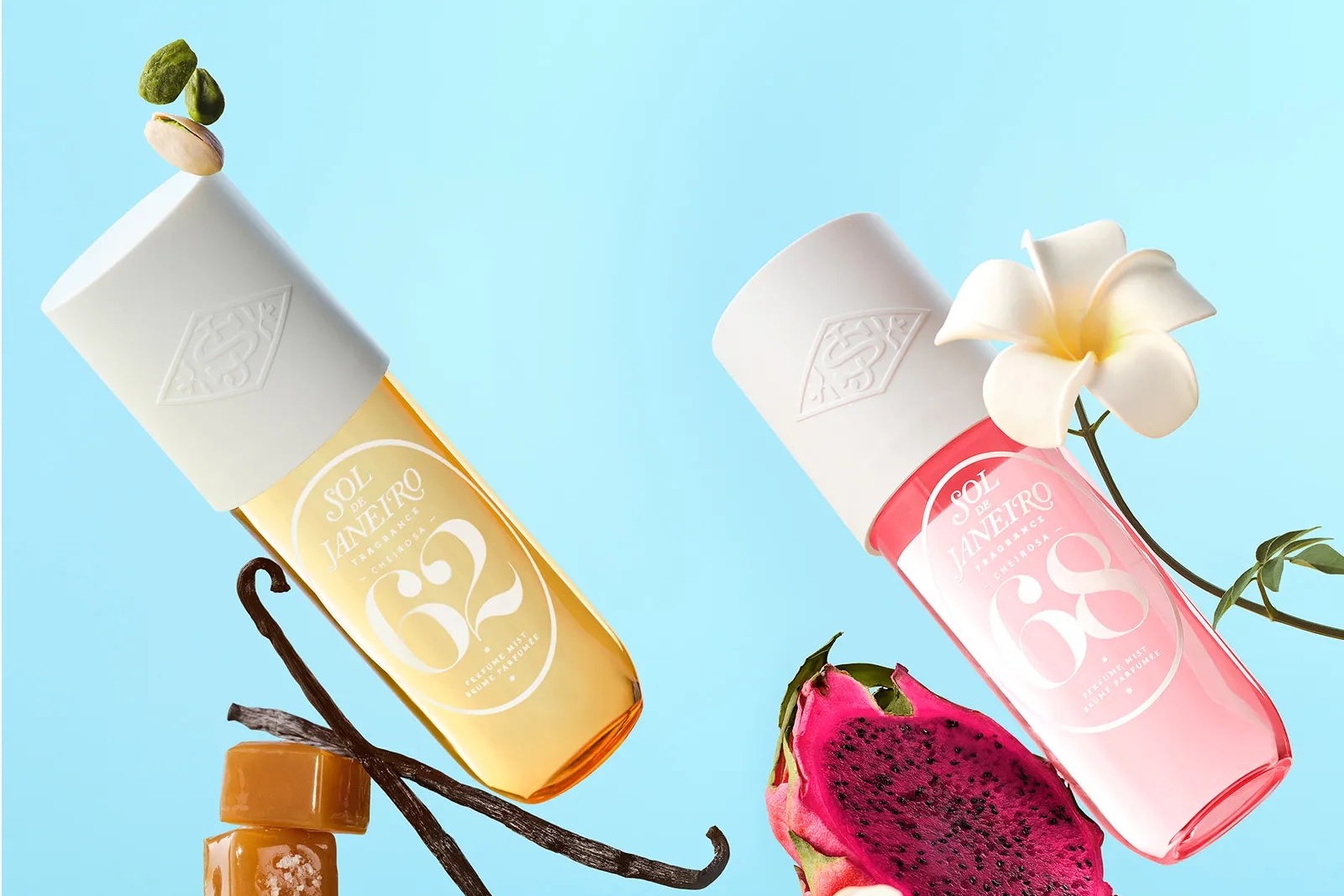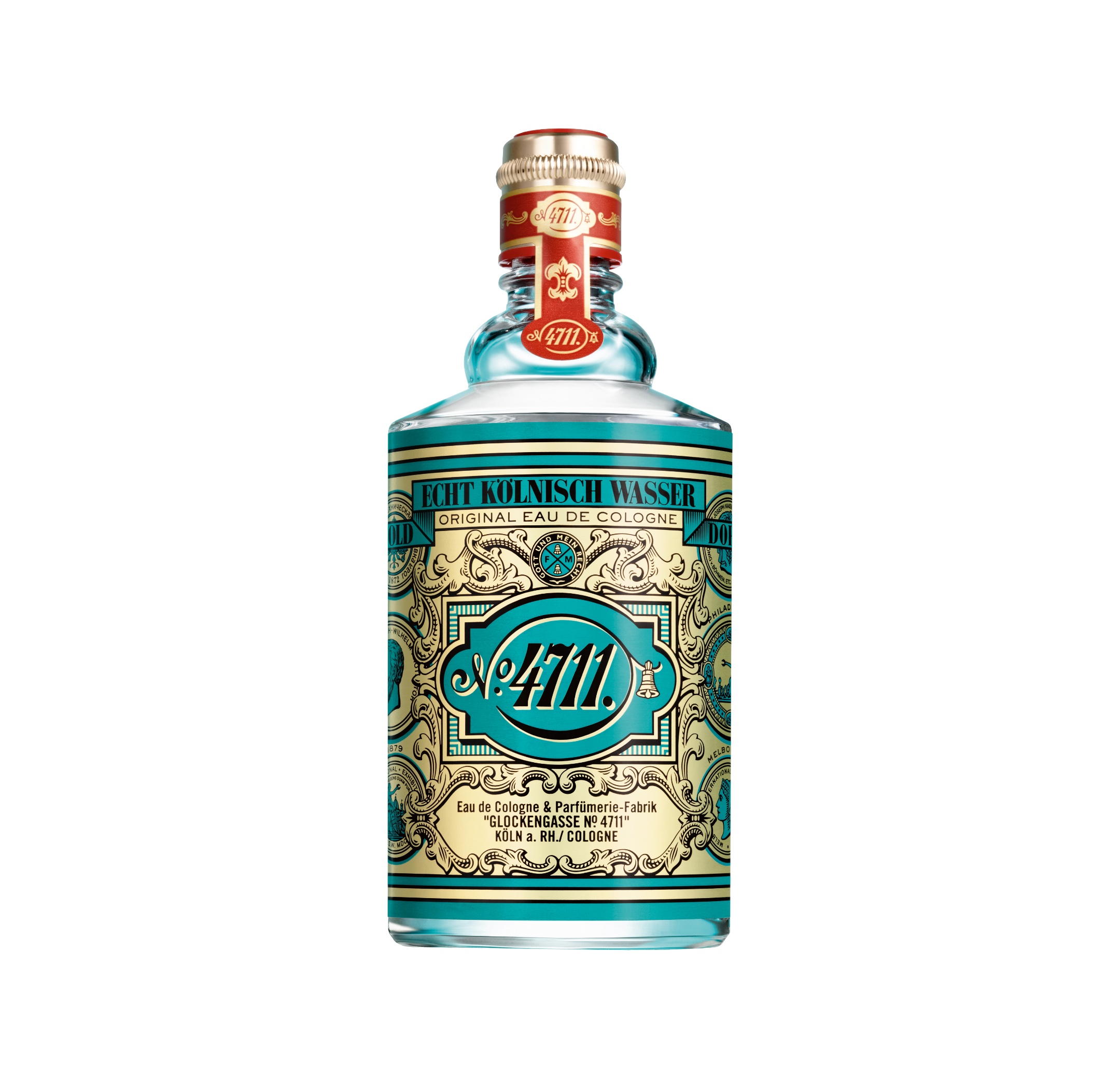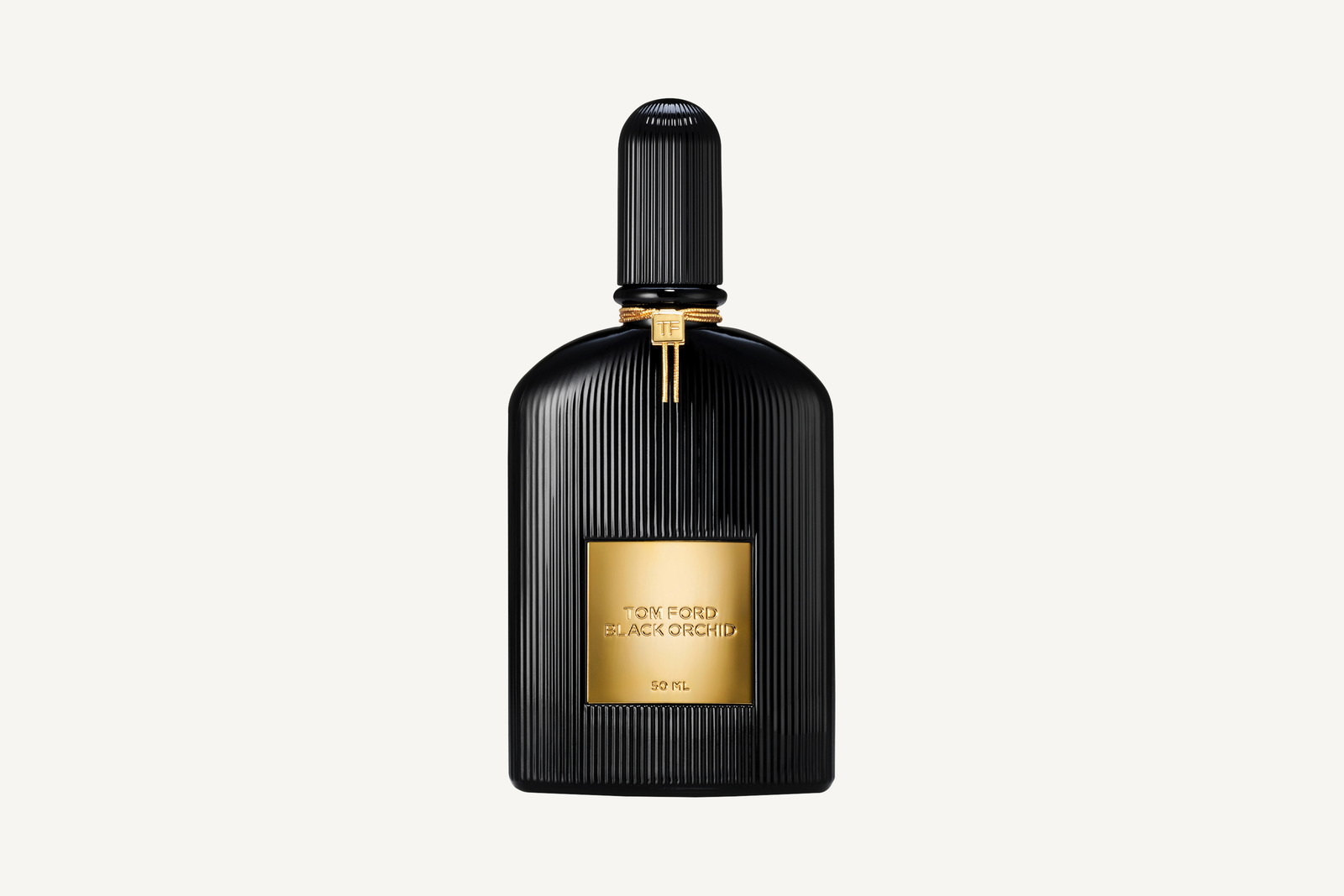
Department-store lighting and a cloud of tester strips make every bottle sound possible. Sorting into fresh versus warm cuts the noise—especially if you own one bottle or are just past paper blotters. Fresh leans citrus, green, aquatic, and clean musk; warm leans amber, woods, spice, and soft gourmand notes. Useful everyday split, not the only fragrance taxonomy (florals and woods still matter on their own)—enough structure to pick something you will actually spray before work. Floral sits beside this split: many everyday women’s bottles read floral-fresh or floral-warm. We use fresh/warm as a wear-context filter, not a full fragrance-family taxonomy.
What each side smells like, when each suits daytime or cooler evenings, how to test on skin for at least thirty minutes, and how to build a tiny two-scent wardrobe instead of hunting for one forever bottle—those are the pages ahead.
Disclosure: This article may contain affiliate links. If you buy through them, we may earn a commission at no extra cost to you. We only recommend products that fit our editorial criteria.
What “fresh” and “warm” actually smell like
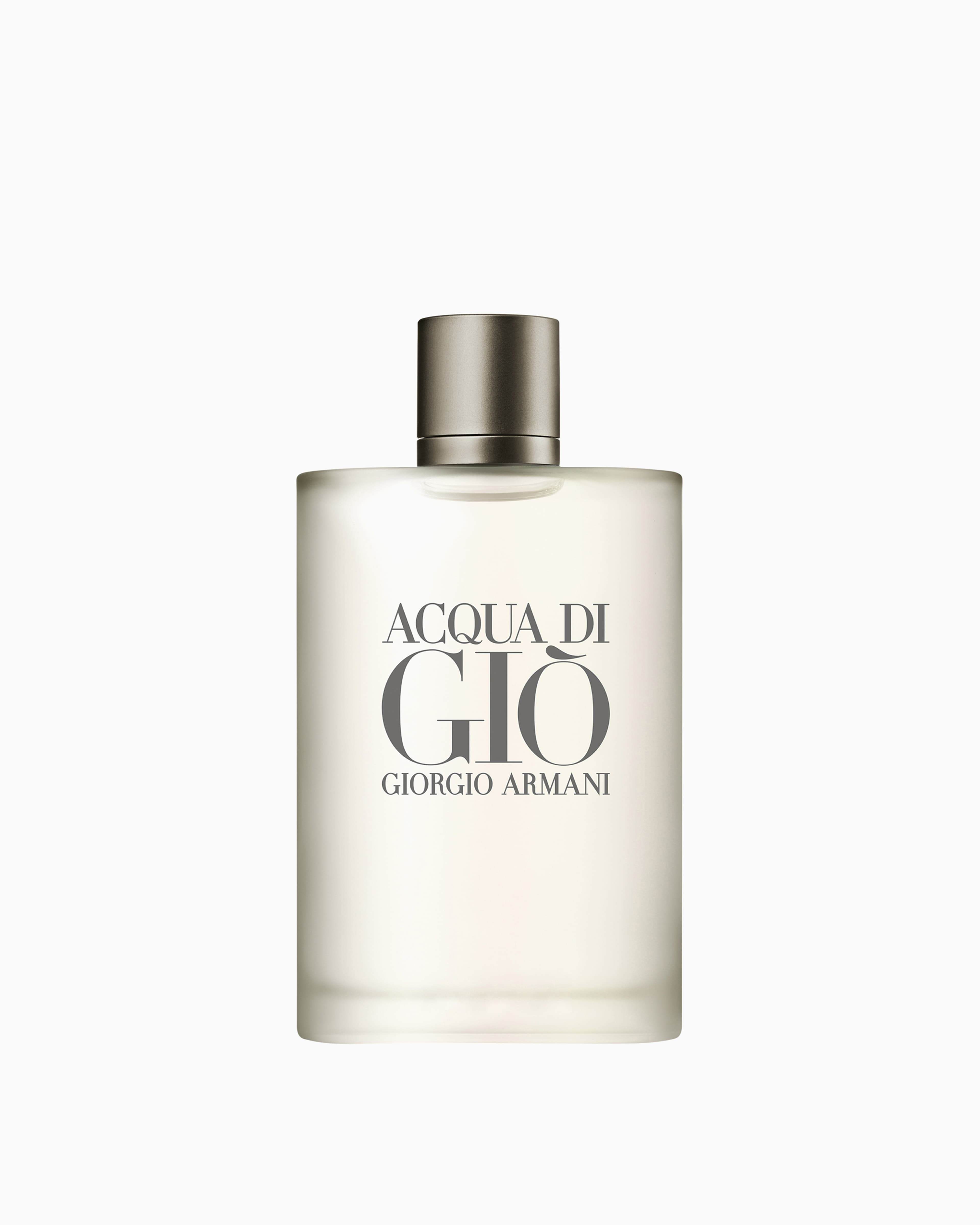
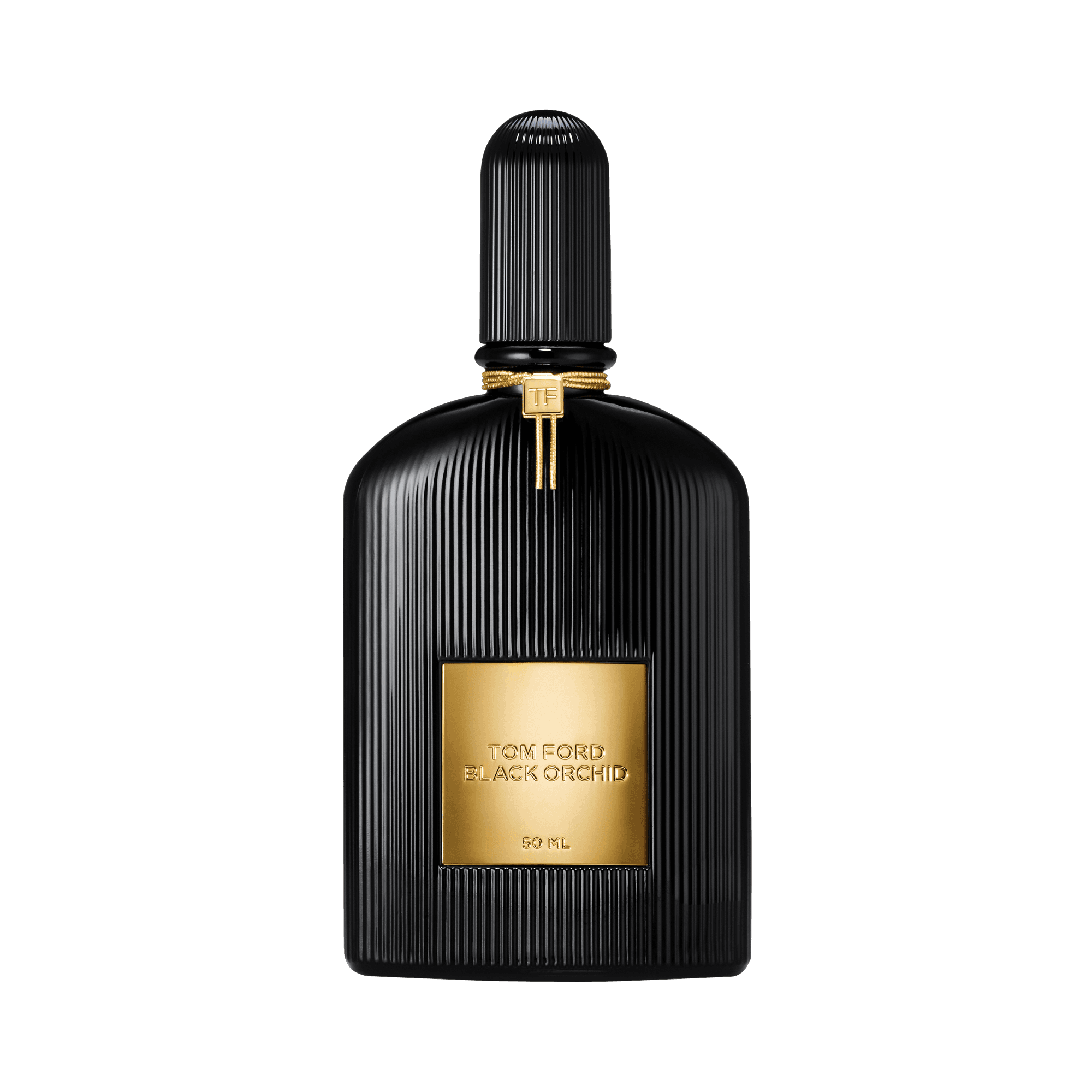
Fresh: light, lifted, “just showered” energy
Fresh perfumes typically open with notes that feel bright or airy:
- Citrus — bergamot, lemon, grapefruit, neroli
- Green — cut grass, tea, leafy or herbal edges
- Aquatic / ozonic — clean water, airy “skin after swimming” impressions
- Clean musk — soft, laundry-adjacent softness that sits close to skin
They often read polished for daytime and heat because they do not thicken as quickly in warm air. That does not mean every citrus fades in an hour—performance varies by formula—but the impression is usually lighter and more office-friendly than a dense amber.
Warm: rounded, cozy, closer to skin heat
Warm perfumes tend to emphasize:
- Amber — resinous sweetness without necessarily smelling like food
- Woods — sandalwood, cedar, soft dry timber
- Spice — pepper, cinnamon, clove (used lightly for everyday; heavier for evening)
- Vanilla / soft gourmand — creamy sweetness that feels intimate rather than sharp
Warm does not automatically mean “loud nightclub scent.” Many modern warm fragrances are quiet and skin-like—useful for evening plans or air-conditioned offices where you want presence without projection that fills a conference room.
A quick notes cheat sheet
| Lean | Common building blocks | Everyday impression |
|---|---|---|
| Fresh | Citrus, green, aquatic, clean musk | Bright, airy, easy near others |
| Warm | Amber, woods, spice, soft vanilla | Cozy, rounded, evening-leaning |
Type examples readers recognize at Sephora or Ulta: a Light Blue–class citrus aquatic for fresh; a soft vanilla-amber for warm. Brand names on either counter can still sit on either side of this split depending on the bottle—keep the language as type illustration, not a verified personal ranking or wear-test score.
Daytime, office, and heat vs cooler evenings
Fresh perfume for daytime fits commuting, open offices, and warm weather without much argument. Citrus and green scents sit politely in shared air. In heat, very sweet or spicy warm formulas can bloom more than you expect; a fresher everyday scent usually keeps the desk quieter.
Warm perfume for evening—or for cool mornings, fall layers, and dinner—gives clothes and skin a softer glow. A quiet warm musk-amber can still work in the office if you keep the dose modest; the question is strength and sweetness, not a ban on the whole family.
Office-safe thinking (practical, not rigid)
- Prefer scents that stay mostly in your personal space after the first twenty minutes.
- Skip heavy incense, thick syrupy gourmands, or aggressive spice if colleagues sit close.
- Reapply lightly only if needed—do not “refresh” into a cloud at your desk.
Clean-girl freshness vs warm base
Clean-girl freshness usually means white musk, tea, and soft citrus—close to skin, not a cloud. A warm amber or soft vanilla can sit underneath as a skin base without turning the desk into a statement scent. The point is proximity: you want a polished “just left the bathroom” impression, not a trail that arrives before you do.
Heat vs cool
Heat amplifies projection. In summer, start fresher or spray less. In cooler air, a warm woods-amber often feels more complete without needing extra sprays. Season is a guide, not a rule: many people wear a soft warm scent year-round indoors.
For a closer look at how a citrus-leaning scent behaves after the opening—and why the middle of the wear matters as much as the first spritz—read what a citrus perfume does by the third hour.
On skin, not just paper
Paper blotters are useful for shortlisting. They are not enough for an everyday perfume decision. Skin chemistry, pulse-point heat, and your moisturizer change how notes unfold.
At the counter—or your own bathroom sink
Keep the ritual light:
- Shortlist two or three on paper so you are not olfactory-overloaded.
- Spray (or dab) one scent on skin—inner wrist or lower forearm. Avoid rubbing wrists together; that can crush the top notes.
- Wait at least 30 minutes—ideally longer—before deciding. The opening is advertising; the dry-down is what you live with at lunch and in a meeting.
- Live with it through a commute or errand when you can. Everyday scent means it should still feel like you after the third hour, not only at the counter.
- Sample formats help: discovery sets and decants let you try a scent over several days without committing to a full bottle. Use them as tools, not as a substitute for noticing how you respond.
Ignore folklore shortcuts that promise to “reset” your nose with coffee beans or other props. Step outside for air, smell your unsprayed sleeve, and give time—that is enough.
How many sprays for everyday
Start with two sprays: one on the chest or base of the throat (under clothing if you prefer a softer trail) and one on a pulse point, or both on torso if you work in close quarters. You can add a third later; it is harder to undo a six-spray morning. Everyday perfume is about repeatable comfort, not maximum longevity contests—and we will not invent wear-time scores here.
Building a tiny scent wardrobe (not one bottle forever)
One bottle can serve you well. Two bottles usually cover more of the calendar.
A minimal wardrobe for most weeks:
- One fresh everyday scent — citrus, green, or clean musk for work, weekends in heat, and any day you want lift
- One warm everyday-to-evening scent — amber, soft woods, or quiet vanilla for nights out, cool weather, and sweaters
That pairing means you are not forcing a bright citrus into a December dinner, or a spicy amber into a July subway car, unless you genuinely love that contrast.
Layering: desk → dinner in two sprays
One warm base on pulse points, one fresh on top—that is enough for most desk-to-dinner days. For lotion, pulse points, and an optional evening accent, see how to layer perfume from desk to dinner. Cap the total at two or three sprays for everyday. Layering extends wear and shifts mood; it is not an excuse to double the cloud. If the warm base already projects, skip the second spray or move it under clothing.
You do not need a ten-bottle shelf to feel “into fragrance.” You need scents you reach for without negotiating with yourself at 7:40 a.m. When you expand later—florals, deeper woods, seasonal extras—you will already know whether you live more on the fresh or warm side of the aisle.
A simple decision checklist
Before you buy a full bottle, ask yourself:
- When will I wear this? Desk days and daytime heat favor fresh; cooler evenings and layered outfits favor warm—or a soft warm worn lightly at work.
- How close do people sit to me? Closer quarters → cleaner, quieter formulas and fewer sprays.
- Did I like it after 30+ minutes on skin? If only the first five minutes thrilled you, keep sampling.
- Does it still feel like “me” at hour three? Everyday perfume has to survive your real calendar.
- Am I buying a mood or a uniform? Uniform = the bottle you will finish. Mood = optional second scent—not a replacement for the first decision.
Concentration note for orientation only: EDT (eau de toilette) is often lighter and a common everyday format; EDP (eau de parfum) is typically richer. Neither guarantees longer wear on your skin—formulas vary—so treat the label as a hint about weight, not a performance scorecard.
| If you… | Lean toward… |
|---|---|
| Want one bottle for most workdays | Fresh citrus / green / clean musk |
| Want evenings and fall layers covered | Soft warm amber / woods |
| Hate strong trails | Skin-close musk, light dose |
| Only liked the opening on paper | Retest on skin before buying |
FAQ
Is fresh better for summer?
Often, yes—for comfort and shared air—because citrus, green, and aquatic impressions feel lighter in heat. A soft warm scent can still work in summer evenings or air-conditioning if you spray sparingly. Season is guidance, not a rulebook.
Can a warm perfume work in the office?
Yes, if it stays relatively quiet and you keep the dose low. Soft woods, light amber, and clean warm musks are easier desk companions than heavy spice or syrupy gourmands. When in doubt, ask whether someone would notice you only when they hug you—not from across the room.
EDP or EDT for everyday?
Either can work. Many people default to EDT for a lighter everyday feel and reach for EDP when they want a denser impression. Judge the specific scent on your skin after thirty minutes rather than buying by concentration letters alone.
Is clean-girl the same as fresh?
Overlap is high—musk, citrus, and tea show up in both conversations—but clean-girl is a vibe filter, not a lab category. A clean-girl bottle can still lean warm if the base is soft vanilla or skin musk. Test on skin for 30+ minutes either way; the dry-down decides more than the TikTok label.
How we pick
We frame fragrance choices around wear context, skin testing, and honest category language—not invented longevity scores or “editor tested” rankings. Any product types mentioned are illustrative of what you will commonly find at major beauty retailers. When affiliate links appear later, they will follow the same criteria: wearable everyday character, clear fresh-or-warm positioning, and respect for how scent behaves in real proximity to other people.