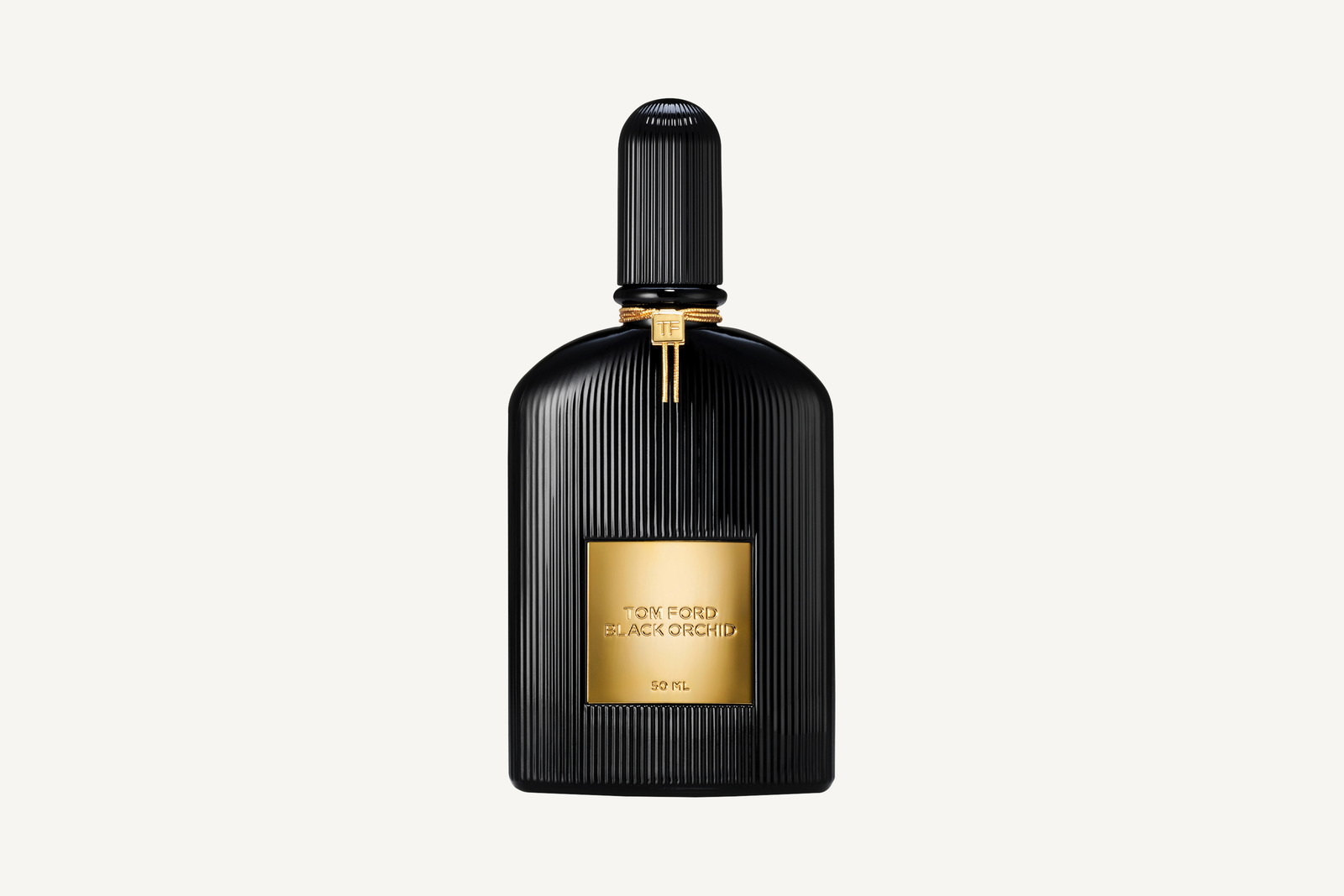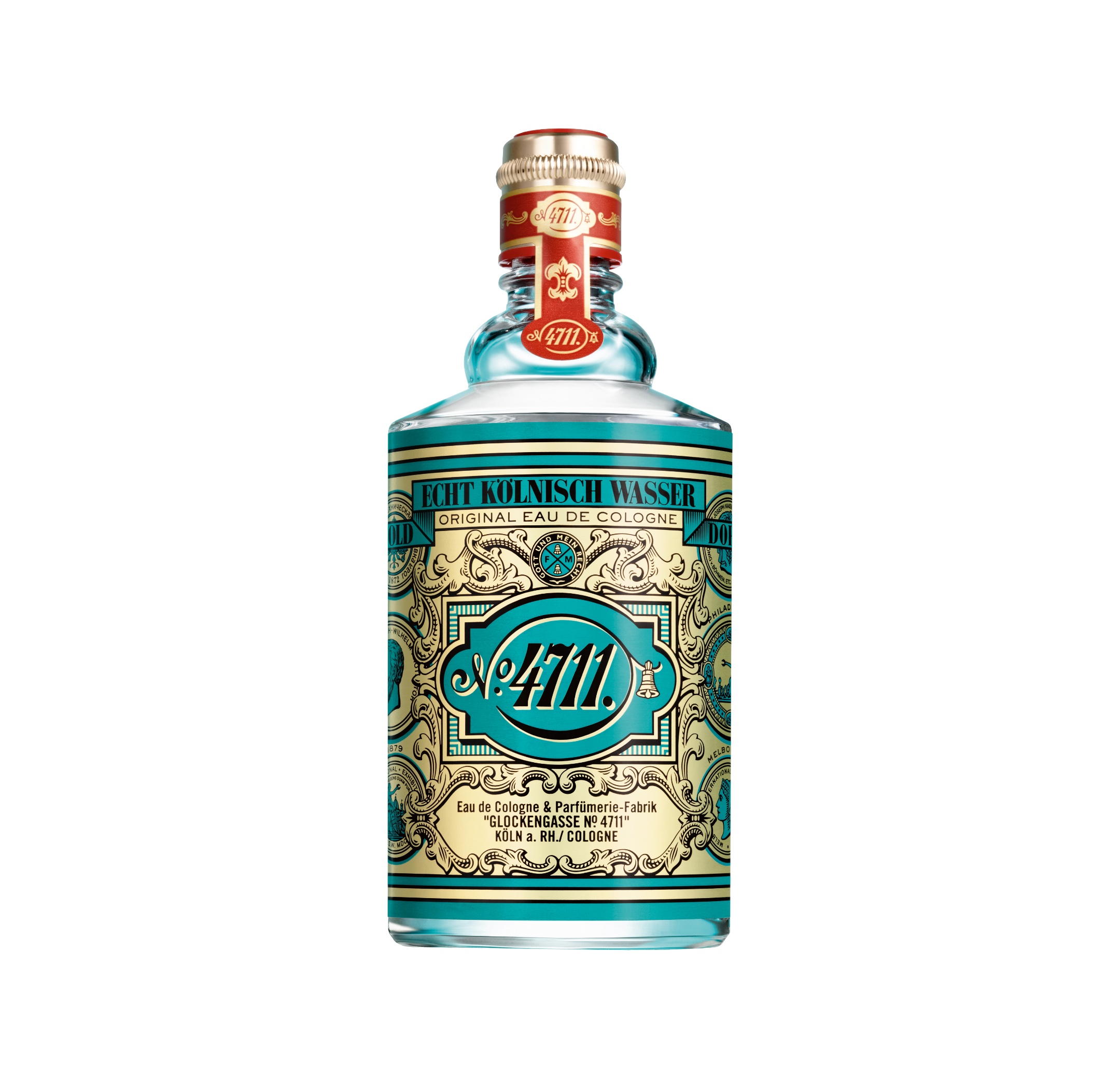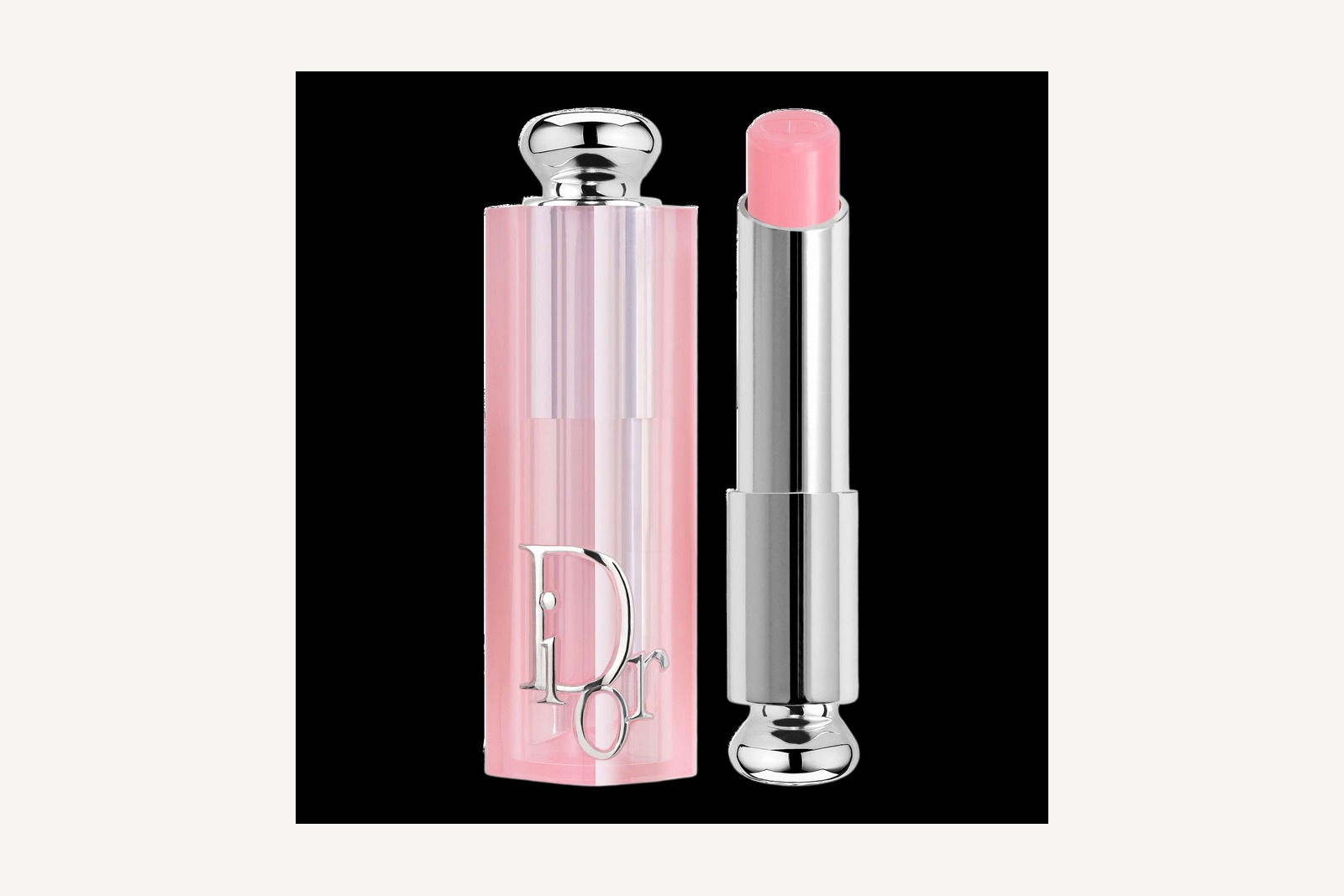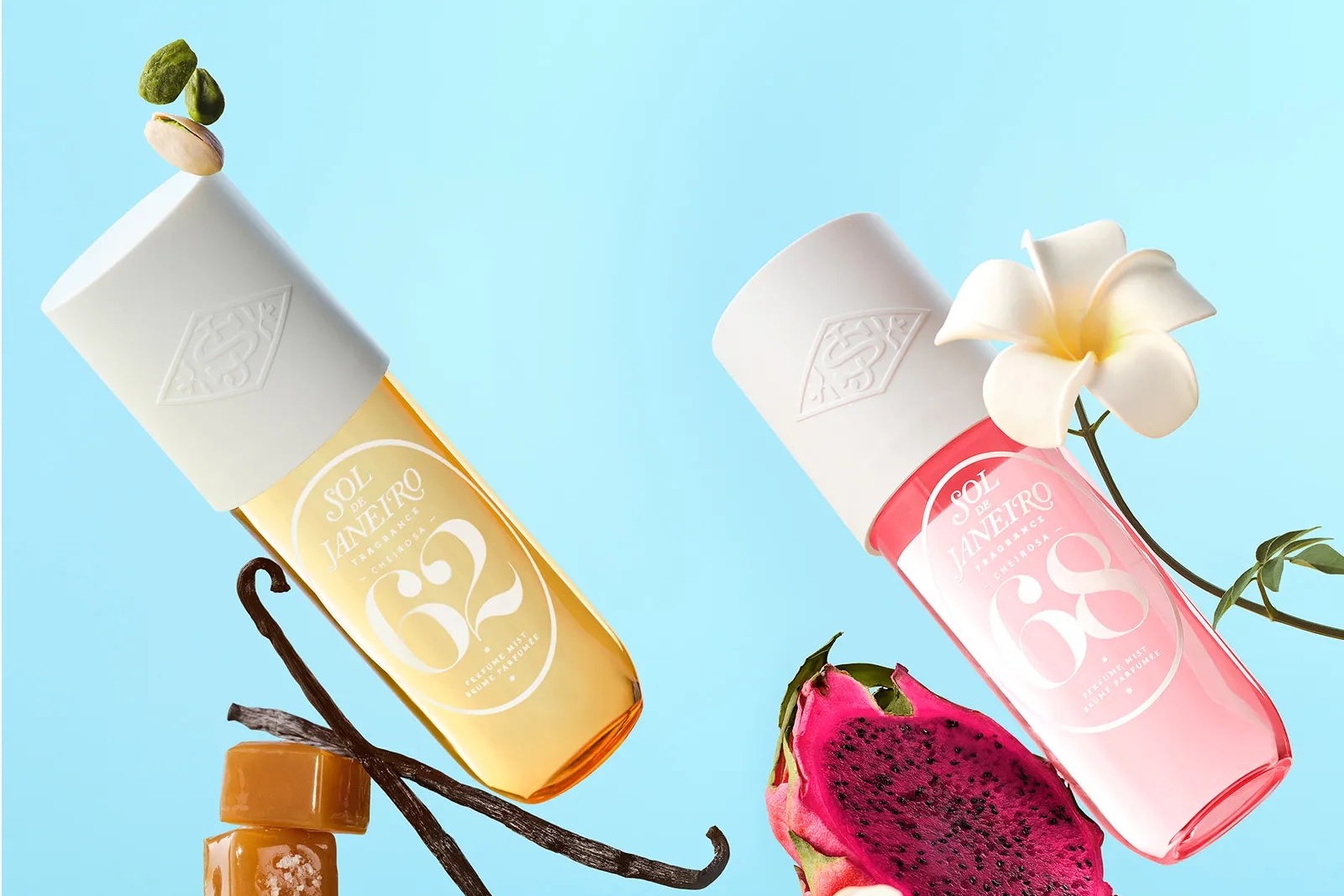
You spray at 8:15—wrists, a dab under the collar—then the elevator closes and you wonder whether that bottle will still read as you at 7 p.m. across a restaurant table. Perfume layering, here, is not five sprays of the same juice. It is a light stack: lotion, a daytime EdT- or EdP-class spray on pulse points, maybe a soft hair mist, then a warmer accent or careful top-up when dinner shows up on the calendar. Same family or a planned contrast. Desk stays polite; dinner still feels finished.
Short answer: lotion first (unscented or matching), morning sprays close to skin, denser or warmer notes later, hair and fabric optional with a light hand. Continuity—not a second personality after five.
Disclosure: This article may contain affiliate links. If you buy through them, we may earn a commission at no extra cost to you. We only recommend products that fit our editorial criteria.
What layering is (and what it isn’t)
You are stacking textures on purpose: lotion so dry forearms stop eating the opening, a lighter citrus-fresh EdT–class spray over a clean musk base, maybe a soft vanilla-amber after the last meeting so dinner does not smell like a leftover blotter. The stack should still smell like one person.
What it is not: drowning yourself in the morning bottle because you fear fade. Not misting damp hair until the bathroom could pass for a tester wall. And not calling a spice bomb plus syrupy gourmand “editorial” when it mostly just fights. If the 8 a.m. spray already fills the glass conference room, you do not need more layers—you need fewer milliliters.
For how fresh versus warm families behave across a day, see fresh vs warm perfumes. That filter still applies when you stack; you are just using it in sequence instead of as a single bottle choice.
Desk → dinner formula
Same wardrobe. Two chapters.
Morning (office-safe stack)
- Lotion first. Unscented, or matching lotion from the same line if you own it. Dry skin drinks the opening unevenly; a thin layer on arms, neck, and décolletage gives perfume somewhere to sit.
- Pulse points, not a cloud. Two sprays for the desk: throat or chest (under a blouse if people sit close), one wrist or inner elbow. Do not rub wrists together—that flattens the top.
- Optional hair mist. One light mist through mid-lengths if you want scent when you turn your head. Skip soaking the scalp. Only have EdP? Mist the air and walk through—or skip hair on humid days.
- Fabric caution. A tiny spray on a scarf or coat lining lingers. Fine in cool air; risky on silk, pale knits, anything hard to wash. Skin is safer when you doubt.

Evening (shift without restarting)
- Morning scent gone quiet but still you up close? Add one spray of the same bottle on a missed pulse point, or on clothing away from your face.
- Want a warmer dinner read? Add a soft amber / woods / vanilla-amber–style accent on the back of the neck or behind the ears—places that wake when someone leans in. One or two new sprays, not a second cloud.
- Do not “refresh” at your desk into hallway fog. Bathroom or street air first.

Base, daytime lift, evening depth. You are not rebuilding from zero between the last Zoom and the reservation.
Pairing ideas as type examples
Sephora and Ulta shoppers will recognize these type illustrations—classes and styles, not a ranked shortlist, and not lab results from us. Bottles inside each type still wander; use the names as anchors for the kind of stack, not as a shopping homework list.
| Daytime base / lift | Evening accent or top-up | What the stack tends to read |
|---|---|---|
| Citrus-fresh EdT–class (Light Blue–style aquatic citrus) | Soft vanilla-amber warm | Bright open, then creamier after dark |
| Clean musk / “skin scent” | Soft woods or sandalwood-leaning warm | Close all day; denser at dinner |
| Soft floral (peony / rose–leaning everyday) | Light amber or clean musk underneath earlier | Petals over skin, warmer frame |
Plenty of people wear clean musk under a floral lift and never call it layering—they just like petals closer to skin. Citrus under vanilla-amber is the day-to-night perfume shift that still smells like the same morning. Skin scent plus woods helps when desks have no walls and you refuse to announce yourself twice.
If the citrus opening is what you love most—and you want to know how it behaves past the first spritz—what a citrus perfume does by the third hour walks that arc without turning it into a longevity contest.
When not to layer
Skip the stack when the room—or the notes—will punish you for it.
Summer subway. Packed open office. The sticky hour after a noon workout class. Start with one product and a light dose; lotion-plus-EdP-plus-hair mist can bloom harder than the bottle suggested once your own heat joins in.
Heavy incense against a sticky gourmand, or aggressive spice on already-sweet vanilla, usually reads muddy, not intentional. If both bottles are “statement” scents alone, wear one. And if someone already smelled you from the doorway at 10 a.m., an evening accent on top is vanity, not polish—soften, do not add.
Fresh color, silk blouses, very dry or bleached hair: poor places to experiment with alcohol sprays. Pulse points on skin stay the safer canvas.
Office-safe dose still beats a clever stack. Fragrance layering shifts mood; it is not a hall pass to double the cloud because dinner is on the calendar.
Honesty boundary: brands, skin, no hour promises
How long a stack lasts depends on the juice, your skin, the room, and how heavy-handed you were at 8 a.m.—not on a rule that “layering multiplies wear by X hours.” We do not invent wear times, projection scores, or lab metrics. Two wrists, same citrus-fresh EdT–class over the same lotion, can still end two different evenings.
EdT versus EdP letters hint at weight, not a clock. That deeper split belongs in its own brief; here, EdT-class is the lighter daytime tool and EdP-class the denser accent—or wear the EdP alone if that is what lives on your shelf.
Try a new pairing on a nothing afternoon before a client dinner. Thirty minutes on skin beats a paper blotter crush. If the stack smells wrong on you, it is wrong on you.
Desk-to-dinner checklist
Before you leave the apartment—or before you leave the office bathroom:
- Lotion on (unscented or matching)—thin layer, not greasy film.
- Two sprays max for the morning desk stack.
- Hair or fabric? Only if you have a light mist and know the material can take it.
- Evening plan: same bottle top-up, or one warmer accent spray—not both piled high.
- Smell the air around you once before you walk into the restaurant. If the trail arrives first, you overshot.
FAQ
How to layer perfume without smelling like too much?
Two sprays in the morning. Denser notes under a collar or on the back of the neck. Evening scent only where a hug would catch it. Lotion holds more of what you already sprayed, which is usually why people stop reaching for a third blast at lunch.
Can I layer two different perfumes?
Yes—when one stays quieter. Clean musk or soft woods under a brighter citrus or floral lift is the usual shape. Two loud, sweet, or spicy bottles in the same hour rarely flatter anyone. The type pairings above are starting points, not a list you must finish in one Ulta run.
Is fragrance layering the same as day to night perfume?
Close. Day-to-night perfume is the mood shift; fragrance layering is the method—lotion, sprays, optional mist, evening accent—so you get there without emptying a second bottle in a bathroom stall.
Should I put perfume in my hair?
Lightly, preferably something labeled hair mist. Regular juice can dry strands. Mist the air once and walk through—or keep everything on skin when the day is humid.
Do I need matching lotion from the same brand?
No. Unscented already helps. Matching lotion is tidy for a coherent stack; the same logo on both tubes is optional.
How we talk about scent here
We write perfume as wear context and copyable formulas—desk air, dinner proximity, lotion then spray—not trophy rankings or invented longevity charts. Type examples name classes at major beauty retailers. Affiliate links, when they appear later, follow the same bar: wearable day-to-night perfume habits, honest limits, and respect for shared air.